

Showing posts with label Hurricane preparedness. Show all posts
Showing posts with label Hurricane preparedness. Show all posts
Wednesday, June 10, 2020

Monday, June 1, 2020
Hurricane shutter guide: Compare types
Hurricane shutters remain the most economical solution for most
homeowners to protect window openings in a storm, although hurricane-proof
glass is increasingly popular. Prepare ahead of time, say experts, particularly
with panels and plywood protection. Make sure the right tools and hardward are
on hand before the storm nears. Here's the lowdown on hurricane shutters and
window protection.
Storm panel hurricane
shutters
These steel or
aluminum shutters attach to the walls around windows and doors on bolts or
tracks. Storm panels are corrugated, and each piece overlaps the next for
maximum strength. There are several styles of storm panels to choose from.
The first style
incorporates both tracks and bolts. The top of the panel is slipped into a
track above the window, and the bottom of the panel is secured to bolts that
are permanently attached beneath the window.
The second style uses
a set of C-shaped tracks above and below the windows and doors. Bolts slide
into the tracks from either side and must be manually aligned with the holes on
the panels.
The third style uses
only bolts permanently set into the wall beside the windows and doors. They can
be loosened as the panel is hung horizontally, and screwed down to secure it.
The biggest problem
with storm panels is that homeowners often don't check them when they buy a
home. Many discover later that panels are missing or were cut improperly, or
are too heavy to install themselves.
PROS
-- Most inexpensive of the permanent shutter systems.
-- Removable, so they don't change the look of the house when not in use.
-- Strong, and can provide excellent protection for both doors and windows.
PROS
-- Most inexpensive of the permanent shutter systems.
-- Removable, so they don't change the look of the house when not in use.
-- Strong, and can provide excellent protection for both doors and windows.
CONS
-- Require storage, but usually stack together tightly and take up little space.
-- Can be difficult to handle; hanging can require more than one person.
-- Sometimes don't line up properly.
-- Have sharp edges.
-- Require storage, but usually stack together tightly and take up little space.
-- Can be difficult to handle; hanging can require more than one person.
-- Sometimes don't line up properly.
-- Have sharp edges.
Average cost: $7-$8 per square foot;
Average storm preparation time: 15 minutes per window depending on the style.
Average storm preparation time: 15 minutes per window depending on the style.
Accordion hurricane
shutters
These one- or
two-piece hurricane shutters are housed beside the windows or doors when not in
use. They unfold accordion-style to cover and protect during a storm.
PROS
-- Permanently affixed beside the windows and don't require any extra storage space.
-- Can easily be made storm-ready by one person.
-- Some models can be locked with a key and may be used as a theft deterrent.
CONS
-- Can look bulky and out-of-place on some houses. Consider the aesthetics before having them installed.
-- Glide on wheels, and have the potential to break more easily than some of the other systems.
Average cost: $16-$20 per square foot
Average storm preparation time: 15-30 minutes for an entire house
PROS
-- Permanently affixed beside the windows and don't require any extra storage space.
-- Can easily be made storm-ready by one person.
-- Some models can be locked with a key and may be used as a theft deterrent.
CONS
-- Can look bulky and out-of-place on some houses. Consider the aesthetics before having them installed.
-- Glide on wheels, and have the potential to break more easily than some of the other systems.
Average cost: $16-$20 per square foot
Average storm preparation time: 15-30 minutes for an entire house
Colonial hurricane
shutters
These are two-piece
louvered shutters that attach to the wall beside each window. The fold together
to protect the window.
PROS
-- Are permanently affixed beside the windows and don't require any extra storage space.
-- Can easily be made storm-ready by one person.
-- Are decorative; they can beautify as well as protect your home.
CONS
-- Some types of colonials require a storm bar or center rod to lock the shutters in place. This can increase installation time.
-- Can't be used to protect doors, and must be combined with another shutter system to ensure complete home protection.
Average cost: $18-$30 per square foot
Average storm preparation time: At least 45 minutes to an hour for an entire house.
PROS
-- Are permanently affixed beside the windows and don't require any extra storage space.
-- Can easily be made storm-ready by one person.
-- Are decorative; they can beautify as well as protect your home.
CONS
-- Some types of colonials require a storm bar or center rod to lock the shutters in place. This can increase installation time.
-- Can't be used to protect doors, and must be combined with another shutter system to ensure complete home protection.
Average cost: $18-$30 per square foot
Average storm preparation time: At least 45 minutes to an hour for an entire house.
Bahama hurricane
shutters
These one-piece
louvered shutters attach directly above the windows and prop open to provide
shade for the window. Bahama shutters are storm-ready when lowered and secured
to the wall.
PROS
-- Permanently affixed beside the windows and don't require any extra storage space.
-- Can easily be made storm-ready by one person.
-- Provide permanent shade and privacy, even in the open position.
CONS
-- Have traditionally been weaker than other systems, but the newest models protect well.
-- Some people complain that they block too much light.
-- Design limits their use. They can't be used to protect doors.
Average cost: $18-$30 per square foot
Average storm preparation time: 15-30 minutes for an entire house.
PROS
-- Permanently affixed beside the windows and don't require any extra storage space.
-- Can easily be made storm-ready by one person.
-- Provide permanent shade and privacy, even in the open position.
CONS
-- Have traditionally been weaker than other systems, but the newest models protect well.
-- Some people complain that they block too much light.
-- Design limits their use. They can't be used to protect doors.
Average cost: $18-$30 per square foot
Average storm preparation time: 15-30 minutes for an entire house.
Roll-down hurricane
shutters
These shutters attach
above the window. They roll up and store in an enclosed box when not in use.
They are lowered either manually by a hand crank or automatically by push
button, and lock in place for storm protection.
PROS
-- Are permanently affixed above the windows and don't require any extra storage space.
-- Can easily be made storm-ready by one person.
-- Offer some of the best protection, and make an excellent theft deterrent.
CONS
-- Most expensive of the popular shutter systems.
-- Push-button-operated roll-down shutters require a battery backup system so the shutters can be lowered and raised during power outages.
Average cost: $30-$55 per square foot
Average storm preparation time: Minimum; probably the easiest shutter to operate.
PROS
-- Are permanently affixed above the windows and don't require any extra storage space.
-- Can easily be made storm-ready by one person.
-- Offer some of the best protection, and make an excellent theft deterrent.
CONS
-- Most expensive of the popular shutter systems.
-- Push-button-operated roll-down shutters require a battery backup system so the shutters can be lowered and raised during power outages.
Average cost: $30-$55 per square foot
Average storm preparation time: Minimum; probably the easiest shutter to operate.
Hurricane glass
This glass can
withstand hurricane debris and eliminate the need for hurricane shutters. It
costs more, especially to retrofit an older house. Modern code requirements,
which already require hurricane shutters or other protections on new houses,
make the glass a more practical option at the time of construction.
PROS
-- Eliminates the need for hurricane shutters.
-- The most practical hurricane glass is similar to a car windshield, with a durable plastic-like layer sandwiched between glass. The outside layers break, but the center prevents a hole.
CONS
-- Must be installed by a window contractor.
-- The frame must be replaced along with the panes to meet code.
PROS
-- Eliminates the need for hurricane shutters.
-- The most practical hurricane glass is similar to a car windshield, with a durable plastic-like layer sandwiched between glass. The outside layers break, but the center prevents a hole.
CONS
-- Must be installed by a window contractor.
-- The frame must be replaced along with the panes to meet code.
Average cost: $35-$50 a square-foot, including new
window frames and layered hurricane glass
Average storm preparation time: None.
Average storm preparation time: None.
Other window coverings
--
Some newer window covers are made of a high-tech fabric that allows light and
visibility while protecting from high winds effectively enough to meet
hurricane codes. One brand is Armor Screen, which costs roughly $15 per square
foot. These fabric screens must be installed by a dealer, not the homeowner.
-- Few, if any, types of window film as storm protection meet hurricane codes, but may give some limited protection if properly installed.
-- Less expensive panes, commonly used as thick plastic-like security windows, are about half the cost of layered panes. But they are less aesthetically satisfactory for household use because they scratch easily and fog when in contact with household cleaning chemicals.
Average cost: Varies widely.
Average storm preparation time: Varies by type.
-- Few, if any, types of window film as storm protection meet hurricane codes, but may give some limited protection if properly installed.
-- Less expensive panes, commonly used as thick plastic-like security windows, are about half the cost of layered panes. But they are less aesthetically satisfactory for household use because they scratch easily and fog when in contact with household cleaning chemicals.
Average cost: Varies widely.
Average storm preparation time: Varies by type.
Plywood
Plywood hurricane
shutters do not meet most building codes, yet many homeowners who lack more
permanent storm shutter systems cover their homes with them. If you decide to
use this system, it is important to install the shutters correctly.
Barrel-bolt plywood shutters
Use on concrete-block stucco homes that have windows inset at least two inches from the exterior wall.
- Buy plywood ahead of time,
before the rush. Make sure it is at least 5/8 of an inch thick./li>
- Buy 3 or 4-inch barrel bolts,
enough for one bolt for a minimum of every 12 inches of plywood.
- Cut the plywood sheets to size
for each window, allowing for a snug fit in the inset.
- For larger windows or sliding
doors, attach two pieces of plywood together with 2x4's or a piano hinge.
- Attach bolts to plywood, mark
where you need the holes to be drilled in the concrete stucco.
- Drill holes, in marked spots in
concrete stucco.
- When storm
approaches, fit plywood into the inset as tightly as possible. You don't
want wind to get under the shutter.
Overlapping plywood
shutters
If your windows do not have a 2-inch inset, plywood shutters can overlap.
If your windows do not have a 2-inch inset, plywood shutters can overlap.
- Buy plywood ahead of time,
before the rush. Make sure it is at least 5/8 of an inch thick.
- Cut the plywood sheets to size
for each window, allowing for an overlap of at least 4 inches. Label each
panel.
- Drill corresponding holes in
the plywood and walls. Use a 1/4-inch drill bit for the wood. Use a
masonry or carbide-tipped bit for concrete or stucco walls.
- Hammer 1/4-inch lead sleeve
anchors – not plastic – into the holes in the wall. The anchors should be
at least 2 inches long.
- When a hurricane threatens, use
tapping screws at least 2 inches long to bolt the plywood in place.
Average cost: $1 - $5 per square foot
Average storm preparation time: 1 - 1 1/2 hours per window.
Average storm preparation time: 1 - 1 1/2 hours per window.
Contact us for all your Insurance needs! (321)725-1620
Bob Lancaster Insurance
Serving Florida since 1964
Wednesday, May 27, 2020
Are you prepared for Hurricane Season 2020?
|
Monday, June 3, 2019
Five Hurricane Hacks
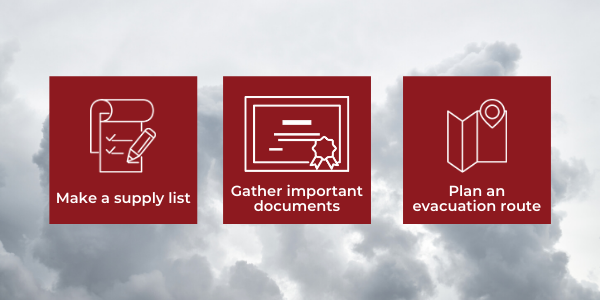
Are you ready for Hurricane Season? These 5 hacks will ensure you are!

With hurricane season in full effect, it is important to be well prepared. While some people gather their belongings and devise an evacuation plan, others prepare their homes in efforts to wait it out and ride the storm. For those of you who don’t have evacuation plans and prefer to stay in your homes during this hurricane season, here are a few super easy and fun hacks to help you prepare.
1. Washing Machine Cooler
If in need of additional cooler space, here is an efficient option for you. When at the grocery store picking up essentials, grab a couple of extra bags of ice for your washing machine. Fill your machine with water jugs or any other items to keep them cold add the ice and close the lid. This makeshift cooler will keep things cold for several hours, dependent on how often lid is opened. Don’t panic when the ice melts, washing machines are designed to drain excess water.
2. Cup and Coin
The cup and coin tip helps ensure that your food is safe to consume during a power outage. For this hack all you will need is a cup of water and a coin. Freeze the cup of water and place a coin on top, then place it back in your freezer. When experiencing a power outage, the placement of the coin within the cup will determine if the food in your freezer is safe for consumption. If the coin is found frozen within the cup this tells you that the water had melted at some point. If the water in the cup melted then refroze, the same can be said for the food in the freezer. So, you may need to reconsider that yummy steak dinner you’ve been saving.
3. DIY Candle
Don’t be stuck in the dark during a power outage. If picking up candles happened to have slipped your mind, look around the house for these useful household items. Grab a can of Crisco and string to create your own candle. A can of Crisco can burn for up to 45 days. If this isn’t an item in your cabinet, use a crayon instead. A single crayon will burn for up to 30 minutes. Other useful household items that can double as a candle during an emergency are liquid oils, butter, oranges, lard, canned meats or fish in oil, cheese wax, and Vaseline. As for the wick, almost anything that will pull wax or oil into the candle flame can be used, cotton or linen works best. Always pre-prime your wicks with melted wax before making the candle, this will help with the burn quality.
4. DIY Sink
Save the laundry detergent jugs after using the last drop. These jugs are useful during a hurricane since water is not always readily accessible. Fill the jugs with water and have soap and paper towels handy to form a makeshift sink/hand washing station. The spout on the jug will allow for easy access to keep your hands clean.
5. Pet Potty Place
Pets are a major part of our families as well, so let’s make sure they are hurricane ready just like you. When the storm starts to blow, your pets will need a dry, safe place to go. Create a “potty place” for your pets with a few simple items. Putting pieces of sod in a kiddie pool creates a safe place for your dogs to potty during the storm. A kiddie pool and some sod can also create the illusion that your pet is doing its business outside.
So, whether you decide to evacuate your home or wait it out, be sure to be prepared for anything the storm throws your way. Share your favorite hacks with us below, or let us know if you have hacks of your own in the “comments” section.
Contact us for all your Insurance needs! (321)725-1620
Bob Lancaster Insurance
Serving Florida since 1964
Tuesday, October 4, 2016
Some other storm-related insurance issues to consider

There's a storm on the way. Chances are you're thinking about your insurance coverage.
You've probably already brushed up on the basics. You know the difference between wind and flood insurance. You know you need to take a detailed inventory, with photos or video, of your valuables in case you have to file a claim.
You know to protect your insurance policies and other important financial documents and have them ready to take with you in case you have to evacuate.
Here are a few hurricane-related insurance issues you might not have known about:
Claims can be reduced for failure to install hurricane shutters.If you don't have storm-rated impact glass throughout your home, you should have hurricane shutters and the means to install them over all of your openings. Having shutters qualified you for an insurance discount, and not using those shutters during a storm can result in a reduction of your claims benefit if your house is damaged, according to Citizens Property Insurance Co.
Generally, insurance companies won't reduce a claim settlement for failure to install shutters, says Robert Norberg, of Arden Insurance Associates, although "they can reduce the claim by the amount of your discount."
You might not be covered if your swimming pool floods your house. Flooding from an overflowing swimming pool will not be covered by flood insurance unless it's part of a larger inundation that also floods an adjoining property.
"If the pool water just come over the edge and comes in through your sliding glass door, you have a problem," Norberg says. "That's why people advise to drain the pool half a foot before the storm so you'll have room for the additional water." And be ready to turn on your pump.
Your insurance company will cover damage from your neighbor's fallen tree: Generally everyone's policy covers damages to their own homes, regardless of the source of damage. That means you don't file a claim against your neighbor's policy when his tree falls on your house. And he won't come after yours when your lawn chair flies through his window. The exception? If either of you can prove the other was repeatedly asked to fix the situation but refused. "Then it becomes negligence," Norberg says. He has seen small claims suits filed because the victim didn't want to pay the deductible — but few resort to such measures against their neighbors.
Damage related to illegally back-fed power won't be covered.During the prolonged power outages associated with all of the hurricanes that struck Florida a decade ago, gasoline powered generators flew out of the big box stores. Some people learned they could eliminate the spaghetti cluster of extension cords by connecting a single 220v cord to the power outlet normally used for their clothes dryer.
This can work, experts say, but some people forget to first shut off the main breaker that feeds the utility's power into their house, and severe damage can result when they're using their generator and the utility power resumes. That's why "back feeding" in this manner is against code, and any damage won't be covered. If you want to set up your house correctly, have an electrician install a transfer switch that guarantees that main power and generator power won't be fed into your wiring simultaneously.
Put the car in the garage. If you have a car, keeping it in the garage won't affect how it's covered. Some may have heard advice to keep the car parked outside to ensure coverage under the auto insurance policy and avoid the need to file a claim against the homeowner's policy if it sustains damage while parked in the garage. That's a myth. Your car is your car and covered by its own policy, no matter where it's parked when damaged, said Lynne McChristian, Florida representative of Insurance Information Institute, an industry trade group. Boats, trucks and motorcycles are also covered by their own policies, although toys like ATVs and scooters usually would be covered under the homeowner's policy.
Think about extra coverage. Homeowners should check their policies for two types of coverage to ensure they'll be able to rebuild without digging into their own pockets. Review a section called building ordinance or law coverage, which covers costs of rebuilding to codes that might have been revised or strengthened since the house was originally built. The other is an inflation guard endorsement, which covers you if widespread destruction drives up costs of labor and materials.
"It's tied to supply and demand," McChristian said.
You probably have time to change your policy. Until the National Weather Service issues an official hurricane warning, you can usually make changes to your homeowner insurance policy, McChristian said. Many companies will sell new insurance policies even if a storm is churning out there and your home is in the cone of uncertainty. That's not true of flood insurance, which requires a 30-day wait period no matter when it's purchased.
Contact us for all your Insurance needs! (321)725-1620
Bob Lancaster Insurance
Serving Florida since 1964
Monday, May 4, 2015
Here are the top 4 hurricane preparation myths
When should you evacuate? Is it expensive to strengthen your home? Many Americans actually don't know the correct answers to these questions.
The Federal Alliance for Safe Homes (FLASH) recently conducted an online survey of 2,112 people age 18 and older in the U.S. The survey tested respondents' beliefs on specific hurricane mitigation, preparedness, and repsonse statements.

The survey uncovered four big hurricane preparation myths that many Americans wrongly believe.
One thing respondents did know, however, is that flooding is not covered by homeowners insurance (52%). Only 21% of respondents believed most homeowners insurance policies cover flooding, while 27% said they don't think flood is covered.
And that's not all.
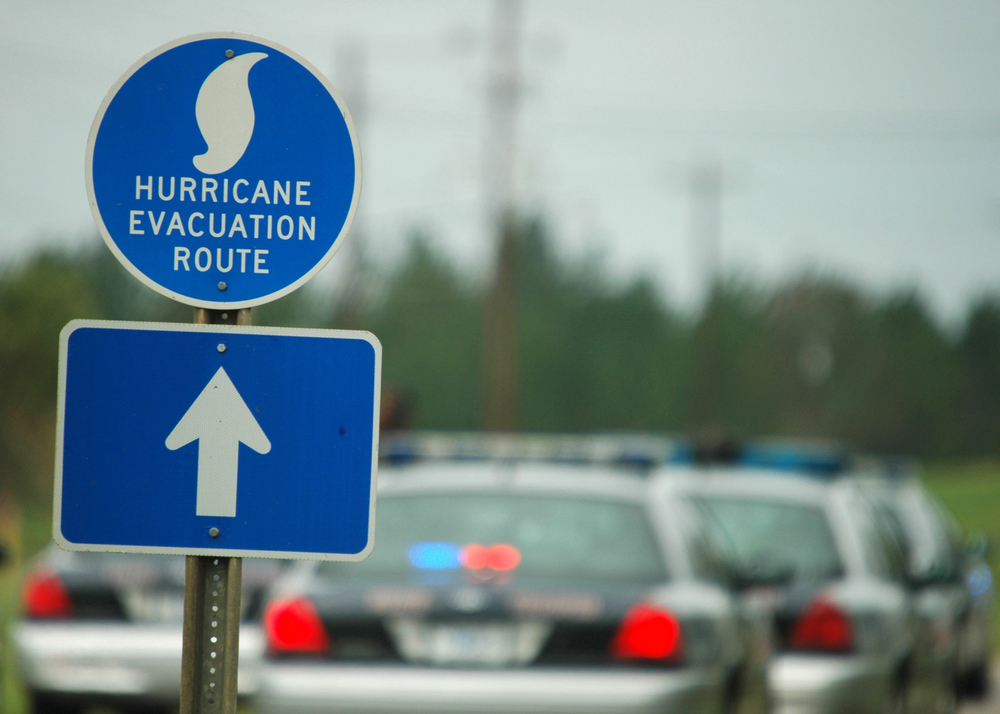
MYTH: 84% of respondents believe hurricane evacuations are based on wind speed.
FACT: Hurricane evacuation zones are defined by the threat of storm surge and inland flooding rather than wind speed or hurricane category, because storm surge is the greatest threat to life and property.
The National Hurricane Center determines evacuation zones by analyzing an area's ground elevation and vulnerability to storm surge. If you live in an evacuation zone, keep in mind that tropical storms, Category 1 and 2 hurricanes, post-tropical cyclones, and Nor'easters can all cause storm surge.

MYTH: 81% of respondents believe building codes are stronger for coastal communities.
FACT: Coastal communities -- those with the greatest potential for hurricanes -- do not use stricter residential building codes to mitigate hurricane damage. This is especially troublesome because 27% of homeowners believe homes built to code won't sustain damage from a hurricane -- which is also false.
MYTH: 69% of of respondents believe strengthening their homes against hurricanes will cost them more than $10,000.
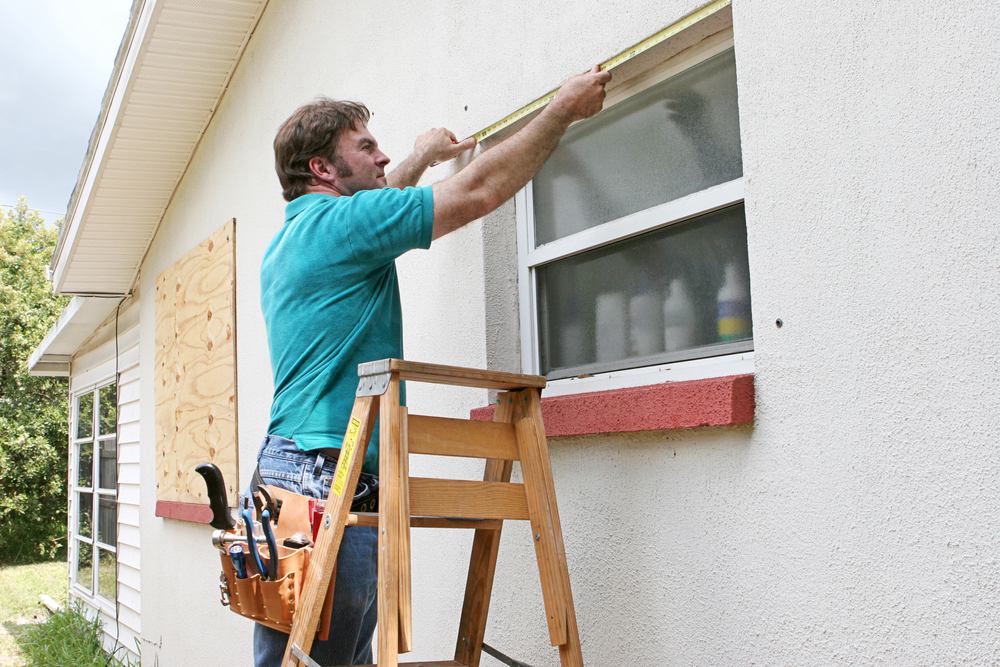
FACT: Retrofitting your home to be stronger during hurricanes can prevent you from having to spend thousands in repairs after a storm hits -- and can cost as little as $1,100. With that amount, homeowners can brace garage doors, install plywood shutters, and seal the roof deck to reduce wind uplift.
FLASH breaks down the costs like this:
- Garage doors can be braced for as little as $150.
- Windows and sliding glass doors can be protected from flying debris with temporary plywood shutters, which range in price from $275 to $750. You can also use corrugated steel or aluminum shutters which range from $7 to $15 per foot.
- A peel-and-stick water barrier can be applied when getting your roof redone to prevent water intrusion for as little as $750.
- When putting a roof on a new construction, hurricane straps and clips can be applied for 50 cents each to prevent the roof from flying off.
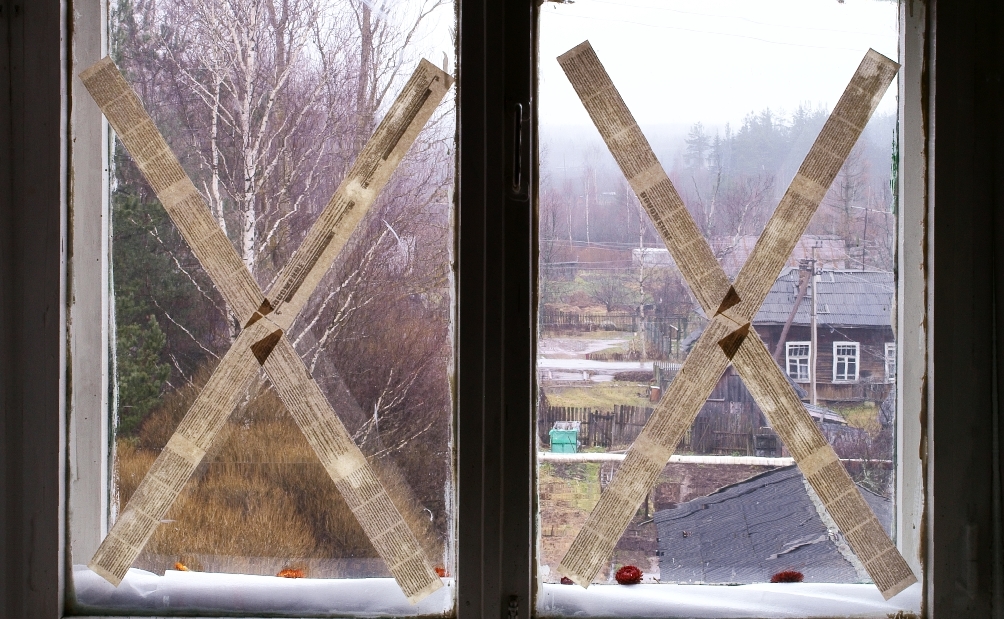
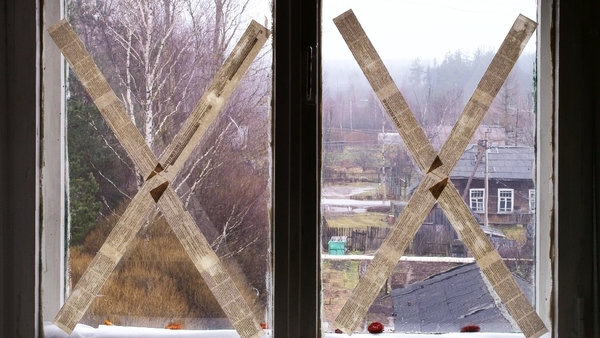
MYTH: 54% of repondents believe taping windows with masking, duct or "hurricane" tape helps prevent hurricane damage.
FACT: Taping windows does not stop windows from breaking during a hurricane. It wastes preparation time and does not make clean up easier. Tape can actually create larger shards of glass and cause more injuries.
The best way to prevent windows and doors from shattering or caving in is to make sure they are constructed with impact-resistant materials. Temporary plywood storm shutters are a good option for an emergency -- just don't waste your time taping.
Contact us for all your Insurance needs! (321)725-1620
Bob Lancaster Insurance
Serving Florida since 1964
Subscribe to:
Posts (Atom)