Mission Statement

"Our mission is to create peace of mind and build enduring relationships."

Bob Lancaster Insurance's mission statement is the core of our culture. Our customers always come first, and we strive to provide them with the products and service that best respond to their needs. Building trust and fostering loyal, long-lasting relationships are the essence of who we are and fundamental parts of our company values.

Putting our mission statement to work

Our employees work hard to connect with our customers on a very real and personal level. Find out what Bob Lancaster’s mission means to them and how they carry it out every day.

Bob Lancaster Insurance, serving Florida's insurance needs since 1964. Contact us today at 321-725-1620 - see what we can do for YOU and YOUR BUSINESS!

Showing posts with label Flood insurance. Show all posts

Monday, September 14, 2015

5 things you should know about flood insurance

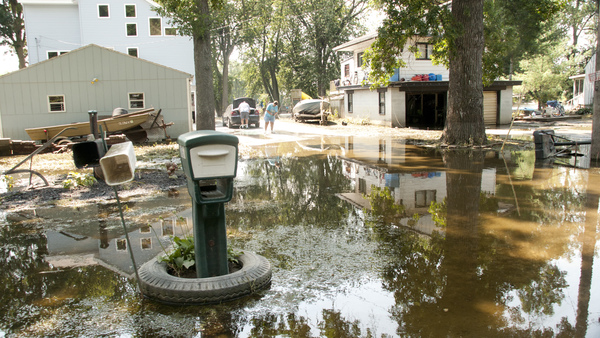
Following torrential rain showers that caused flooding in Roscoe, Ill., in August 2010, residents began the long clean-up process. Photo: Patsy Lynch/FEMA
Over the past 50 years, every state has experienced flooding or some sort of flash flood. This means that as a homeowner or renter, you don’t have to live near a body of water to be exposed to the dangers of flooding. Heavy spring rains, a sudden thunderstorm or melting snow from the mountains hundreds of miles away can be enough to cause rising water and flooding in the most unexpected places.
The Midwest frequently experiences river flooding, the Northeast can suffer Nor’easters and spring melting, and the West Coast frequently has flooding from November through March. A flash flood can bring a wall of water anywhere from 10 to 20 feet high. A few inches of water from a flood can easily cause tens of thousands of dollars in damage. If you’re a homeowner, the purchase of flood insurance is mandatory if the property is located in a high-risk flood area, and some lenders can still require it if you live in an area with a lower risk of flooding.
Floods are No. 1 disaster in U.S.
Many people don’t realize the floods are the number one disaster in the U.S. and the cost of recovery grows every year. According to the Federal Emergency Management Agency (FEMA), the average flood claim from 2008 to 2012 was $42,000. In 2012, the average flood insurance policy cost $650 per year. In 2014, average claims paid ranged from a low of $10,476 to a high of $42,275. Flood insurance rates in 2015 are expected to increase by as much as 18%.  
Hurricane season doesn’t start until June 1, and even though a quiet season is forecast, heavy rains across the Midwest and South are already causing flooding problems. Here are 5 things you should know about flood insurance and preparing for flooding disasters.
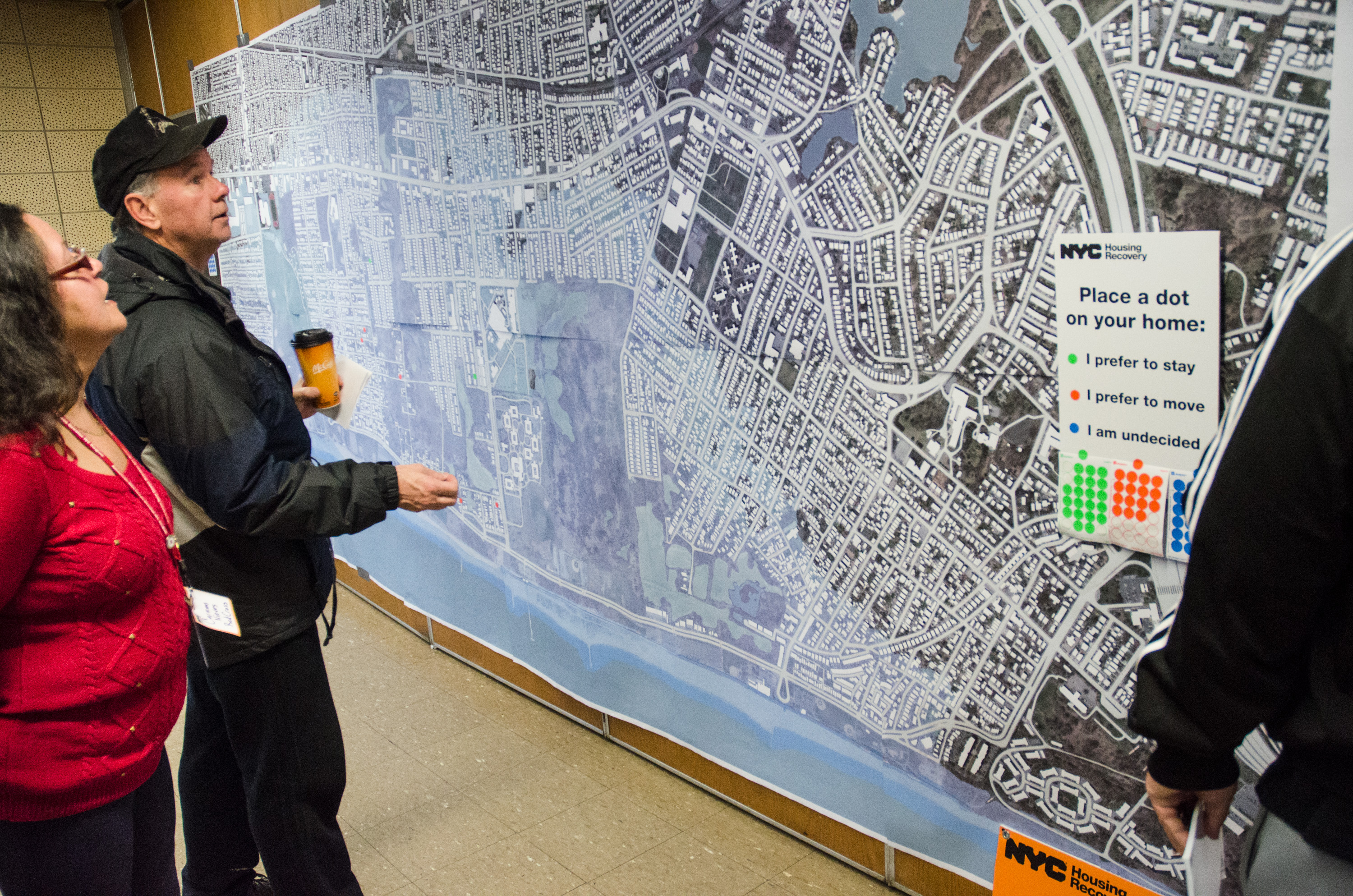
 FEMA map
Flood hazard areas are identified by the National Flood Insurance Program (NFIP) as one of three specific areas. Special Flood Hazard Areas (SFHA) and are defined as areas have a 1% chance of being inundated by a flood event in any given year. The 1% flood chance is often referred to as the 100-year flood or as the base flood.
SFHAs are labeled as Zone A, Zone AO, Zone AH, Zones A1-A30, Zone AE, Zone A99, Zone AR, Zone AR/AE, Zone AR/AO, Zone AR/A1-A30, Zone AR/A, Zone V, Zone VE, and Zones V1-V30.
Moderate flood zones fall within the 500-year flood zone or have a 0.2% chance of flooding and are identified as Zone B or Zone X.
Areas identified as having a minimal flood hazard are higher than the 0.2% elevations and are identified as Zone C or Zone X.
Lenders believe that residents who live in a high-risk flood area have a one in four chance of flooding during the term of their 30-year mortgage and that’s why flood insurance is required. Homes in moderate and low risk areas that have mortgages are typically not required to have flood insurance.
The NFIP has a Flood Insurance Rate Map (FIRM) which identifies the flood hazards for a community. FIRM has a tutorial for homeowners to help them identify the flood risk for their property so they know whether or not they should insure their home from a flood loss.

Flooded contents 
2. What does flood insurance cover?  
Flood insurance covers both the building and contents inside, but it doesn’t cover the land on which the dwelling is located. There may be limited coverage for basements, crawlspaces, lower floors and enclosed floors of elevated buildings.
Dwelling coverage will cover property up to $250,000 and contents coverage insures up to $100,000 of personal property. The NFIP recommends purchasing both types of coverage since homeowners insurance will not cover losses attributed to flooding. Flood insurance is not a valued policy and does not pay more than the policy limit for any losses. Like other insurance policies, purchasers must determine their deductibles for their property and contents coverage, which will affect their rate.
Building coverage covers:
  • The building and its foundation
  • The electrical and plumbing systems
  • Major systems like central air conditioning equipment, furnaces and the hot water heater
  • Some appliances such as refrigerators, cooking stoves and built-in appliances like dishwashers
  • Permanently installed carpeting over an unfinished floor (e.g., wood, cement)
  • Window blinds
  • Permanently installed paneling, wallboard, bookcases and cabinets
  • A detached garage (up to 10% of building property coverage)
Coverage for contents includes:
  • Clothing, furniture and electronic equipment
  • Curtains
  • Portable and window air conditioners
  • Portable appliances such as microwaves and dishwashers
  • Carpeting that is not covered under the building coverage
  • Clothes washers and dryers
  • Food freezers and the food in them
  • Certain valuable items such as original artwork and furs (up to $2,500)
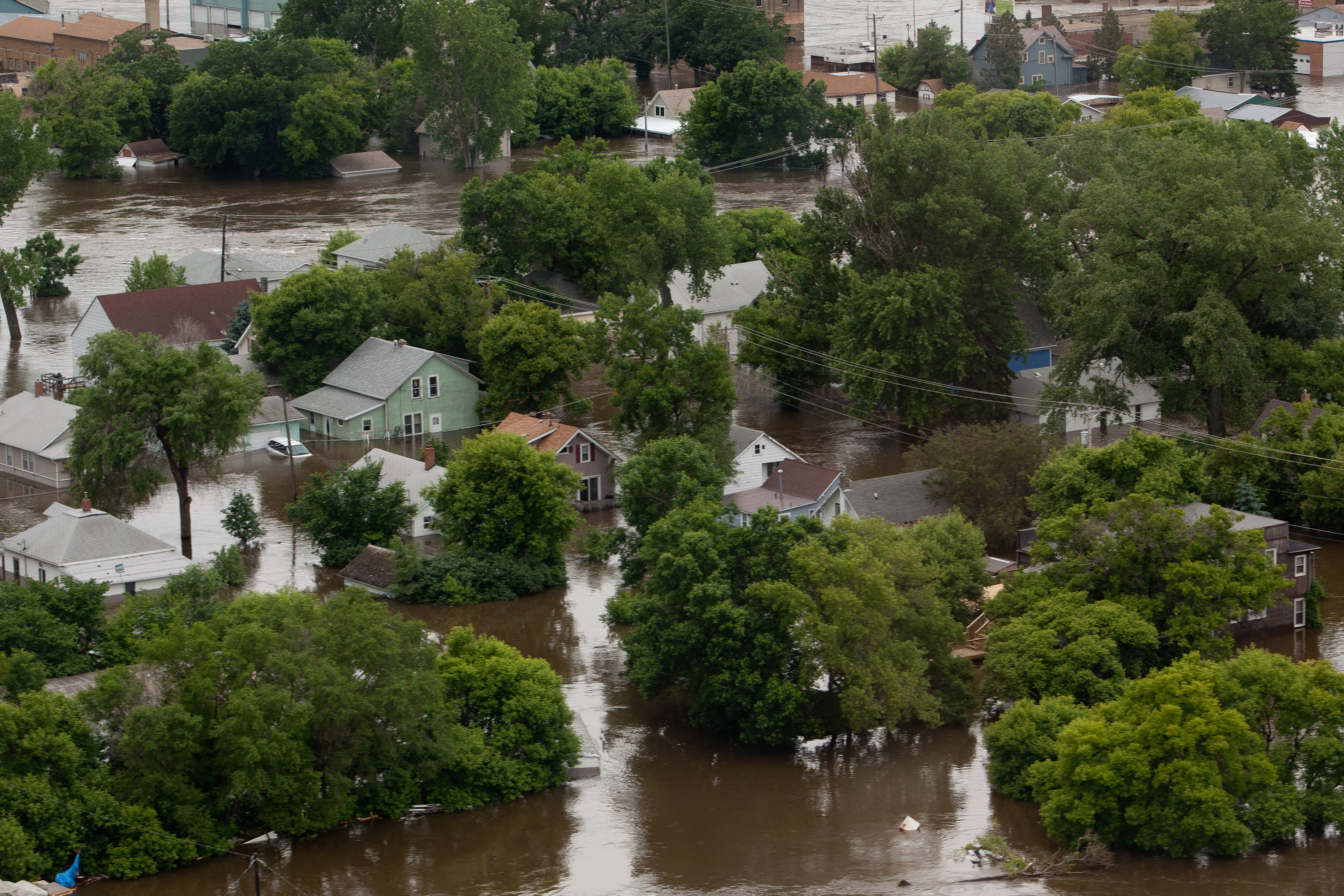
Minot, S.C. flooding
3. What it doesn’t cover 
There are a number of damages and expenses a flood insurance policy will not cover. These include:
  • Currency, precious metals and valuable papers like stock certificates
  • Damage caused by moisture, mildew or mold that could have been prevented by the homeowner or renter
  • Property and items outside of the dwelling such as trees, plants, wells, septic systems, walkways, decks, patios, fences, hot tubs, seawalls and swimming pools
  • Financial losses due to business interruption or loss of use of the insured property
  • Most self-propelled vehicles – e.g., cars, motorcycles, four-wheelers, etc. 

Condominum
Photo: Darryl Brooks/Shutterstock
4.       Who should be insured?   
Flood insurance is available for individuals who live on a floodplain or in a high-risk area, even if the property has been flooded before. A number of factors will affect the rates such as the type of building, contents, whether or not the property has a basement, if all of the contents are located above ground level, the building construction, the property’s elevation and where the physical property is located (in a high-risk or low-risk area).
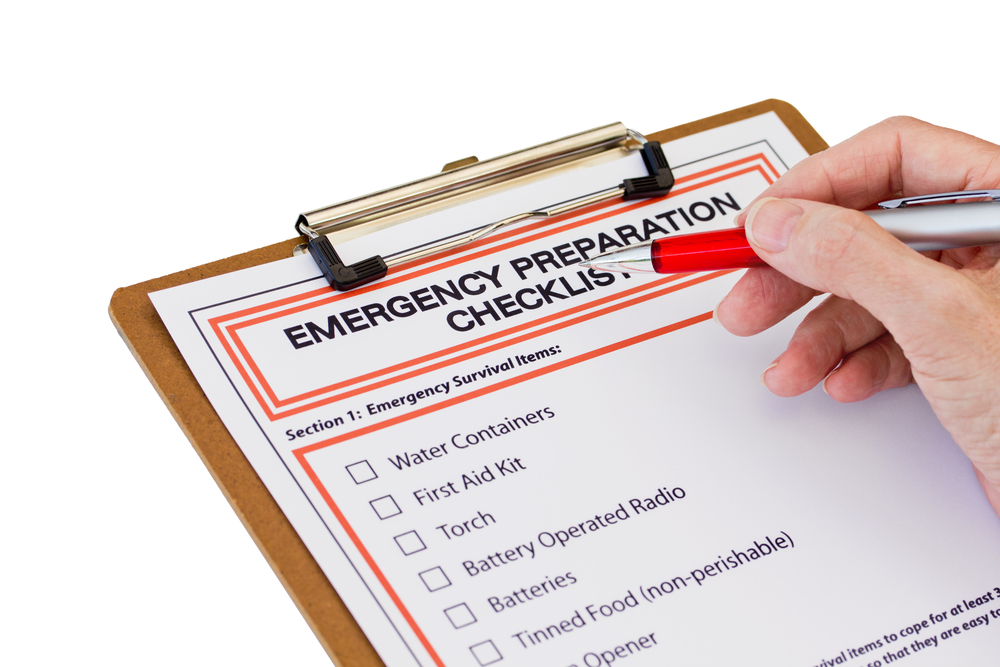
Disaster checklist
Photo: Pixsooz/Shutterstock
5.       Preparation tips
While most flooding disasters will come with some warning, there are steps that homeowners can take to prepare their properties well before an event occurs or even to prevent minor flooding mishaps.
Start with an inspection of inside and outside spaces:
  • Make sure that gutters and downspouts are clear of debris and drain away from the structure.
  • Landscaping should not allow water to collect next to the foundation of the building. Remove any damaged or low-hanging branches.
  • Check low-lying areas that are vulnerable to water and ensure that they drain away from any basements or foundations.
  • Walk through the basement to see what furniture, photos, electronics or other contents could be compromised or damaged during any flooding, and move them to a higher location or place them in protective, waterproof containers.
  • Do a full inventory of the home and contents – Going room by room with a video camera and taking photos with a digital camera provides a quick inventory of collectibles, works of art, antiques and other irreplaceable items. The inventory should be stored somewhere other than the home or at least uploaded to the cloud.
Paperwork and preparations:
  • Collect insurance policies pertaining to the home and be familiar with what they do and do not cover.
  • Ask your insurance agent to do a review of policy limits and exclusions so you know what’s covered.
  • Prepare supplies in case of a power outage– stock up on essentials like batteries, bottled water, canned goods, flashlights, etc.
  • Have a checklist of items to grab if you only have seconds to prepare – e.g., purse, phone, laptop, medications
Taking these steps ahead of time, preparing for a variety of disasters and thinking through what to do and where to go will help save precious time if an unexpected emergency or disaster does occur. Reviewing insurance coverages and reducing the risk where possible will also make the recovery a little easier.
Contact us for all your Insurance needs! (321)725-1620 
Bob Lancaster Insurance
Serving Florida since 1964

Tuesday, June 23, 2015

A Newbie's Guide to Flood Insurance


shutterstock_60870979
“Here I am. Rock you like a Hurricane”

Hurricanes are great as long as they are kept in song lyrics or as team names. Unfortunately, they can cause unspeakable damage to homes, businesses and when “Raindrops Keep Falling on My Head”, floods can cause billions of dollars in losses. Of course, it’s not only hurricanes that cause flooding. Flooding occurs most commonly when “A Hard Rain’s A-Gonna Fall” and when natural watercourses do not have the capacity to convey excess water. If you’re new to flood insurnace, here are a few things you need to know:
  • Flooding happens in all 50 states
  • Just a few inches of water from a flood can cause thousands of dollars in damages
  • About a foot of water can move a car
  • Only 6 inches of water can knock a person off their feet
  • ‘Flash Floods’ often bring walls of water 10-20 feet high
Homeowners insurance does not cover damage from floods. Even if your home is NOT in a special flood hazard area (High Risk Zone), you can still suffer from the effects of flooding. Fun Fact: 25% of all flood claims come from low hazard flood zones. Homeowners who want flood protection have two basic choices: Standard or Preferred Risk Policies.

Standard Policies
The coverage that is available under a Standard National Flood Insurance Policy usually includes building and contents coverage. Replacement coverage is only available to select policies that must meet the following conditions:

1. Insured building must be a single family dwelling.
2. It is your principal residence, meaning you live in the structure a minimum of 80% of the year.
3. The building coverage is at 80% of replacement cost. Or at the maximum limit of 250k.
 
Preferred Risk Policies
Preferred Risk Flood Policies were created for homeowners and tenants in low to moderate flood hazard areas. To qualify for a Preferred Risk Flood Policy, you need to own a one-to-four family dwelling or non-residential property in a low to moderate flood hazard area that meets certain requirements.

So, when your neighbors are asking, “Who’ll Stop the Rain?” you’ll be the one “Singin’ in the Rain” knowing your home and its contents are covered!

                                 Contact us for all your Insurance needs! (321)725-1620

Bob Lancaster Insurance
Serving Florida since 1964

Tuesday, April 29, 2014

Torrential Tuesday - Changes to the National Flood Insurance Program Effective 06/01/2014 - Part 1

The National Flood Insurance Program will implement certain changes which go into effect on June 1, 2014. The changes are primarily as a result of the Biggert-Waters Flood Insurance Reform Act of 2012 (BW-12). The Federal Emergency Management Agency (FEMA) published a summary of the changes in WYO Bulletin W-13070, dated December 16, 2013.1

Also, in WYO Bulletin W-14013, there is a link to the updated Flood Insurance Manual. This is the first blog post which will discuss some of the changes which will be effective June 1, 2014.
The maximum amount of insurance available under the NFIP for a multi-family residential building with five or more units is currently $250,000. This is the same amount available for a one-to-four family residential building.

In Section 10024 of the BW-12, effective June 1, 2014, the maximum coverage limits available for non-condominium residential buildings designed for use for other residential occupancies (multi-family dwellings of five or more families) will be increased from $250,000 to $500,000 per building. This increase is to match the limits of commercial and other non-residential properties insured under the Standard Flood Insurance Policy (SFIP) General Property Form.

While the building coverage will increase, there is no change to the maximum contents coverage for each building – it will remain at $100,000, which is the same amount for contents in commercial and other non-residential buildings. This change does not apply to Residential Condominium Building Association Policies (RCBAP) or condominium unit owners.

New premium combinations reflecting this change to the maximum limits for multi-family dwellings have been added to the Preferred Risk Policy (PRP) and PRP Eligibility Extension premium tables. These new coverage limits are available for new business, renewals or change endorsements that are effective on or after June 1, 2014.

Finally, flood insurers are required to send a letter to all eligible policyholders at least 90 days prior to the June 1, 2014 to inform them of the new maximum limits. They must also include a message on the Renewal Notice which advises the affected policyholders that higher limits are available.

Stay tuned for next week’s blog where we will discuss the changes to the NFIP’s definition of “primary residence.”

                                       Contact us for all your Insurance needs! (321)725-1620  
                                                             Bob Lancaster Insurance

Serving Florida since 1964

Monday, November 4, 2013

Surge Protection

Rising sea levels and continued coastal expansion are causing coastal flooding to be a significant hurricane risk.


Contact us for all your Insurance needs! (321)725-1620
Bob Lancaster Insurance
Serving Florida since 1964


Thursday, September 19, 2013

Do you know Flood Insurance?

There are a lot of new changes coming to Flood Insurance effective Oct 1, 2013.  There is one change that's already on your policy that you may not even have noticed.  Increased Cost of Compliance (ICC) coverage.

If your property was damaged by a flood, you may be required to meet certain building requirements in your community to reduce future flood damage before you repair or rebuild your damaged property. To help you cover the costs of meeting those requirements, the National Flood Insurance Program (NFIP) includes Increased Cost of Compliance (ICC) coverage for all new and renewed Standard Flood Insurance Policies.

How much coverage is available? Flood insurance policyholders in special flood hazard areas can get up to $30,000 to help pay the costs to bring their home or business into compliance with their community's floodplain ordinance. Unfortunately, $30,000 is often not enough, but it is a start.

You may file an ICC claim in two instances:

First, if your community determines that your home or business is damaged by flood to the point that repairs will cost 50 percent or more of the building's pre-damage market value, you are eligible. In the flood claim world, this is referred to as substantial damage. Your local ordinance will provide you a substantial damage letter that you will need to provide to your flood carrier.

One is also eligible for ICC coverage if your community has a repetitive loss provision in its floodplain management ordinance and determines that your home or business was damaged by a flood two times in the past 10 years, where the cost of repairing the flood damage, on the average, equaled or exceeded 25 percent of its market value at the time of each flood. This is called repetitive damage. Additionally, there must have been flood insurance claim payments for each of the two flood losses.  Again, you must provide supportive documentation reflecting your eligibility.

It is important to file all flood claims properly and include all necessary supporting documentation.  FEMA provides a specific ICC Proof of Loss form that needs to be filed that is different from FEMA’s standard Proof of Loss.

Bob knows Flood Insurance.


Contact us for all your Insurance needs! (321)725-1620
Bob Lancaster Insurance
Serving Florida since 1964