Mission Statement

"Our mission is to create peace of mind and build enduring relationships."

Bob Lancaster Insurance's mission statement is the core of our culture. Our customers always come first, and we strive to provide them with the products and service that best respond to their needs. Building trust and fostering loyal, long-lasting relationships are the essence of who we are and fundamental parts of our company values.

Putting our mission statement to work

Our employees work hard to connect with our customers on a very real and personal level. Find out what Bob Lancaster’s mission means to them and how they carry it out every day.

Bob Lancaster Insurance, serving Florida's insurance needs since 1964. Contact us today at 321-725-1620 - see what we can do for YOU and YOUR BUSINESS!

Showing posts with label Safety tips. Show all posts

Wednesday, June 5, 2019

WORK COMP WEDNESDAY - Safety Lessons Learned

Real-Life Examples of Avoidable Workplace Accidents
Names have been changed to ensure confidentiality

June 4, 2019
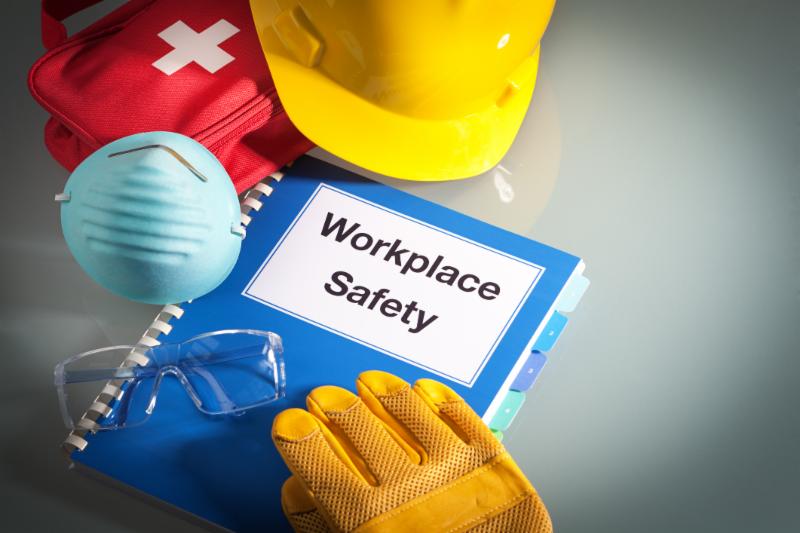
One of the most important factors of running a business effectively is keeping employees healthy and safe. Safety Lessons Learned is a series designed to provide examples of workplace accidents that result in injury or even death to help employers recognize hazards and put the proper preventative measures in place.
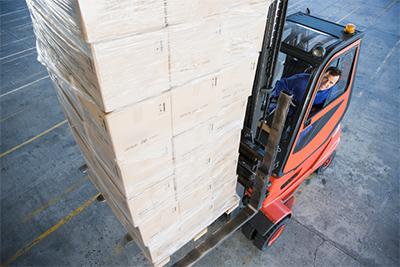
Lack of Training Causes Injury to Forklift Operator

Joe drives a forklift and operates other heavy equipment at ABC Warehouse in Austin, Texas. While completing a project, he discovered that he needed to adjust the width of the forks, but no one had ever shown him how. Joe decided to spread the 80-100 pound forks with his fingers. He ended up crushing his pinky, which resulted in a fracture. 

Safety Lesson:
  1. Train new, inexperienced or transferred workers on the equipment they will be using.
  2. Provide employees with structured coaching.
  3. Obtain feedback that verifies employees understand the work tasks, the associated hazards, and the processes and procedures to mitigate those hazards.
landscaper
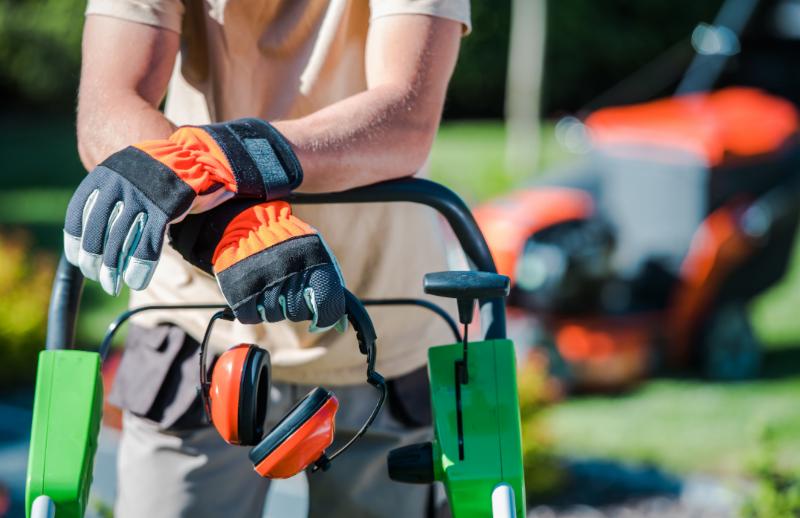
Landscaping Worker Suffers Fatal Heat-Related Injury


Tim works on a landscaping crew in Ft. Lauderdale, Florida. The crew was working on a hot summer day when temperatures peaked over 100 degrees. Tim did not drink enough water or take the appropriate amount of breaks during the day and suffered fatal heat-related injuries. 

Safety Lesson:
Remind crewmembers to prevent heat-related illnesses by following these simple steps.
  1. Drink, drink, drink. Employees should drink four cups of water every hour in 15-minute increments.
  2. Take frequent breaks. Employees need to take breaks to allow their bodies to recover.
  3. Hang in the shade. Employees can cool down quickly by standing in shaded or air conditioned areas when possible.
Extreme heat, especially in climates like Florida, is both uncomfortable and dangerous. Other ways to stay safe while working in the heat include wearing light colored clothing and a hat, wearing sunscreen and reporting symptoms of heat-related illnesses immediately. For more safety tips on working in the heat, click here.
roofer
Experienced Roofer Skips Harness and Falls to His Death
 
Brian has owned his own roofing company for 25 years. Because of his experience in the industry, he rarely uses a harness, although he requires his team to use protective equipment. While working on a roofing job in New York City, Brian reached for a tool, slipped, and fell to his death. 


Safety Lesson:
Always wear fall protection when working on roofs or any other heights where the distance to the ground is more than six feet. Remember, just because you have done this before without getting hurt does not mean you never will. Falls remain the biggest cause of worker deaths in the construction industry. Situations like this not only have a physical impact on the injured employee, there is also a financial and emotional implication for all those involved.
Five Ways to Create a Safety Culture in Your Workplace
  1. Focus more on coaching and less on rules.
  2. Do not succumb to organizational complacency.
  3. Engage workers in meaningful safety conversations.
  4. Let integrity lead your workforce. Do things right no matter who is watching.
  5. Teach employees how to do their jobs correctly and then hold them to a high standard.


Contact us for all your Insurance needs! (321)725-1620 
Bob Lancaster Insurance

                                                     Serving Florida since 1964

Thursday, November 5, 2015

LOSS CONTROL GUIDE - VEHICLE UNLOADING GUIDELINE

Truck unloading is a daily activity in many businesses. It is also a regular source of injuries to the driver, workers and visitors. Employers have a responsibility to ensure they maintain a safe working environment. Forklift operators are also responsible for the safety of others in the unloading area.

This guideline should be used to help management establish safe work procedures as it relates to vehicle unloading

.• Establish an Unloading Area: 

o Area should be level to help maintain stability of the truck and trailer. The ground should be free of potholes and debris.

o Area should be free of overhead electric lines. o Area should be clear of other traffic -- vehicles or foot. Pedestrians, the truck driver, or others employees not involved in the unloading process should be clear of the area.

o Area should have sufficient lighting for early morning or evening unloading.

o If possible, the designated area should be a one-way route to prevent the need for vehicles to back up. If a driver is required to back the vehicle, a spotter should be used to protect pedestrians and property.

• Guidelines for Truck Drivers: 

o After checking into the office, the driver should proceed to the designated area and remove tarps, straps, or other load securement devices. Secure this material so it is not an obstruction to the forklift operator during the unloading process.

o Driver should secure vehicle, apply brakes, and turn off engine, as appropriate, to prevent unsafe movement during the unloading operation.

o Driver should proceed to a designated area (safe zone) located away from the truck and outside of the unloading area. The driver should remain in that area during the unloading operation. o NO material should be unloaded nor should any forklifts be operating in the area around the truck until the driver has completed all of the tasks above and moved to the designated safe zone.

• Guidelines for Forklift Operators: 

o Operating a forklift should be limited to individuals who are trained and qualified to do so, including general forklift safety topics and equipment specific training. Initial training should be completed prior to authorization of the driver to operate the forklift. Refresher training should be completed every three years and following any forklift-related accident, property damage, or near-miss incident.

o Have a clear understanding of the material being unloaded; unloading a bunk of 2x4 is different from unloading laminated beams or a pallet of roof shingles.

o Check the load -- Make sure that the load has not shifted, banding is still in place, and the overall load is in good condition and not likely to move or fall during the unloading process.

 o No one, including other workers, should be on the opposite side of a truck from a forklift while it is unloading material.

o EMPOWER your forklift driver to stop the unloading process if the location of the truck driver cannot be confirmed or someone else enters the unloading zone.

While unloading of material is an everyday activity at most operations, safety cannot be taken for granted. It is management’s responsibility to ensure that proper training and safe unloading procedures are in place and enforced.

 NOTE: These guidelines should also be used for loading operations.

Contact us for all your Insurance needs! (321)725-1620 
Bob Lancaster Insurance
Serving Florida since 1964

Wednesday, November 19, 2014

Thanksgiving Travel Tips

Happy Thanksgiving
Thanksgiving is upon us. One thing we are thankful for: getting to spend time with our families and eat a lot great food. One thing we aren’t thankful for: holiday travel better known as bumper-to-bumper traffic.

According to the U.S. Dept. of Transportation, 91% of holiday travel between Thanksgiving and New Years is by car. And the busiest days of all? The Wednesday before Thanksgiving through that Sunday.

So if you are among one of the many who will be traveling this holiday, follow some of our tips to make your trip one full of blessings.
  1. Plan ahead. If possible, plan on leaving Tuesday night or even first thing Thursday morning to avoid the crazy Wednesday rush.
  2. Do a home check. Before leaving, make sure everything is turned off or unplugged in your home, and you have locked everything up. Keep curtains closed so people can’t look in, and consider asking a trusted neighbor to keep an eye out for you.
  3. Don’t Spread the Word. With the popularity of social media, people freely put information on the web. Making posts about being out of town for a couple days is asking for trouble. So as excited as you are and as much as you want to brag, keep it on the down low.
  4. Tip off the police. You can, however, inform your local police department that you’ll be leaving the area and ask them to do drive-bys if they are in your area.
  5. Hide the Spare Key. Your hiding place under the doormat is not that great. Remove your outdoor spare keys or leave them with a relative or trusted friend.
Thanksgiving is a time to be with family, watch football, overstuff yourself with delicious foods, and count blessings. Keep your mind at ease knowing your home is safe.

Happy Thanksgiving from Bob Lancaster Insurance!

Contact us for all your Insurance needs! (321)725-1620
Bob Lancaster Insurance
Serving Florida since 1964

Tuesday, November 4, 2014

Thanksgiving Guests

With Halloween just behind us, you know Thanksgiving is not far behind. Is your home ready for holiday guests?

Family at Thanksgiving
Your family may be used to those little quirks around your home like the hallway rug that’s quick to slide or the bathroom faucet that runs too hot, but your guests may not.
To help your family and holiday visitors stay safe, do a quick home inspection and make minor changes as needed. Here are tips to get you started:
  • Secure throw rugs using sticky padding or double-sided carpet tape.
  • Make sure electrical cords are out of the way or taped down.
  • Add night lights to your guest bedroom, bathroom and hallways.
  • Use stick-on non-slip strips in showers and bathtubs, plus consider adding a grab bar.
  • Adjust the thermostat lower on your hot water heater, if the water runs too hot.
  • Tell your overnight guests if you set your home alarm when going to bed. Then they will know ahead of time what not to do, such as open their bedroom window for a breath of fresh air at midnight.
    Contact us for all your Insurance needs! (321)725-1620
    Bob Lancaster Insurance
    Serving Florida since 1964

Thursday, October 30, 2014

Be Spooky, But Safe

Kids in Halloween costumes
Keep everyone safe this Halloween by following these simple tips for your family and pets.


Most kids love Halloween and the chance to dress up in their favorite costume to go trick or treating. You probably already know the basic safety rules, like only visiting the neighborhoods you know and carrying a flash light or glow stick. When shopping for your little one's costume this year, you may also have seen many costumes for your four-legged family members which are increasingly popular.

Keep everyone safe this Halloween, by following these simple tips for your family and pets.

  • People (and pet) costumes should be non-flammable.
  • Err on the side of caution - not fashion - when selecting costumes for your two- and four-legged family members. To be safe, masks and costumes should not interfere with either vision or movement.
  • To help avoid mishaps, accompany your pet at all times while he or she is wearing a costume.
  • If you are new to a neighborhood, consider attending local "Trunk-or-Treat" events hosted by community centers or local churches.
  • Parents should inspect candy before it's eaten.
  • Remember, pets should not eat any candy. Sugar substitutes such as xylitol are toxic to pets; eating chocolate can be deadly for both dogs and cats.
Contact us for all your Insurance needs! (321)725-1620
Bob Lancaster Insurance
Serving Florida since 1964

Friday, December 20, 2013

On a chilly evening, a fireplace is always a welcoming sight for guests and family. However, leaving a fire unattended even for a few moments or not properly maintaining your fireplace can have devastating consequences.

Fireplace
In less than five minutes the glass doors on a fireplace can heat up to 400 degrees (F) and take nearly an hour to cool down when the fire is out. This means that touching the glass doors or metal frame can easily result in second- or third-degree burns, which is especially dangerous for toddlers who naturally love to explore and are still unsteady on their feet.

A recent study conducted over a period of 10 years found during that time more than 2,000 children under the age of five suffered burn injuries related to glass fireplace doors. It takes only seconds to get a serious burn, and third-degree burns require surgery and skin grafts. Be sure to use a sturdy screen in front of the glass door to help prevent anyone, especially children, from accidentally brushing against or leaning against the glass.

Here are some helpful tips. . . .
  • Have your chimney inspected by a licensed chimney sweep each year, to be sure it is free of debris and safe to use.
  • Add a heat-proof child lock on fireplace doors.
  • Be sure to keep toys, dog beds, paper, and all flammable material several feet away from the fire.
  • Do not burn paper, gift wrap, cardboard, or treated wood in your fireplace.
  • Routinely check to be sure both your carbon-monoxide detector and smoke alarms are working properly, plus have a fire extinguisher nearby.
  • Make sure the fire is completely out before going to sleep.
  • Dispose of ashes carefully.
For more on fireplace and home fire safety, visit the U.S. Fire Administration and the Consumer Product Safety Commission websites.


Contact us for all your Insurance needs! (321)725-1620
Bob Lancaster Insurance
Serving Florida since 1964